
Comprehensive Guide to RESTful API Design
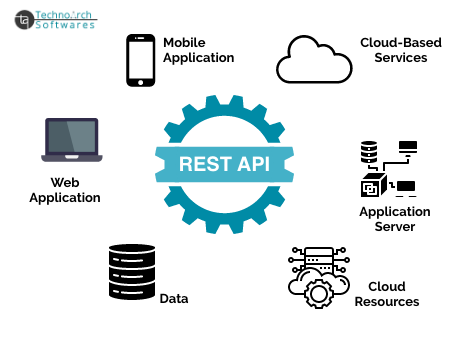
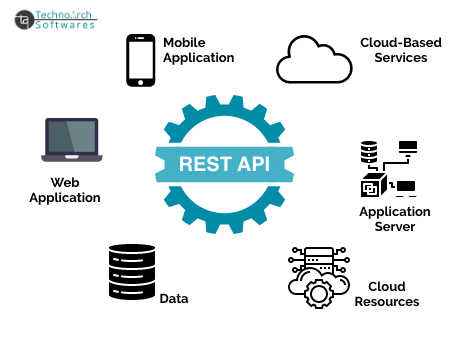
Nowadays, applications are no longer isolated islands. An API acts as a bridge connecting your website, mobile app, and other services. To build a standard API, observe the following practices:
1. Proper Use of HTTP Methods
A professional API should employ a standardized language:
GET: For retrieving data (e.g., a list of articles).
POST: For creating a new entity (e.g., user registration).
PUT/PATCH: For updating data.
DELETE: For deleting data.
2. Security (Authentication & Authorization)
You must never leave sensitive data unprotected. Currently, using JWT (JSON Web Tokens) is the industry standard for API authentication.
3. Standardized Response Structure
Your responses should be predictable. Always use the JSON format and return the appropriate status codes:
200 OK: Successful operation.
201 Created: New resource successfully created.
400 Bad Request: Invalid user input.
401 Unauthorized: User is not authenticated.
500 Internal Server Error: Server-side error.
4. Documentation with Swagger/OpenAPI
Even the best code in the world is worthless without documentation. Tools like Swagger automatically generate an interactive environment, allowing frontend developers to understand how to use the API without needing to ask you questions.

Comments (0)
Leave a Comment